 Earth Matters
The Pulse of the Planet - Understanding Earth’s Climate
How Shifting Systems Shape Our Present and Future.
Climate as the Planet’s Operating System
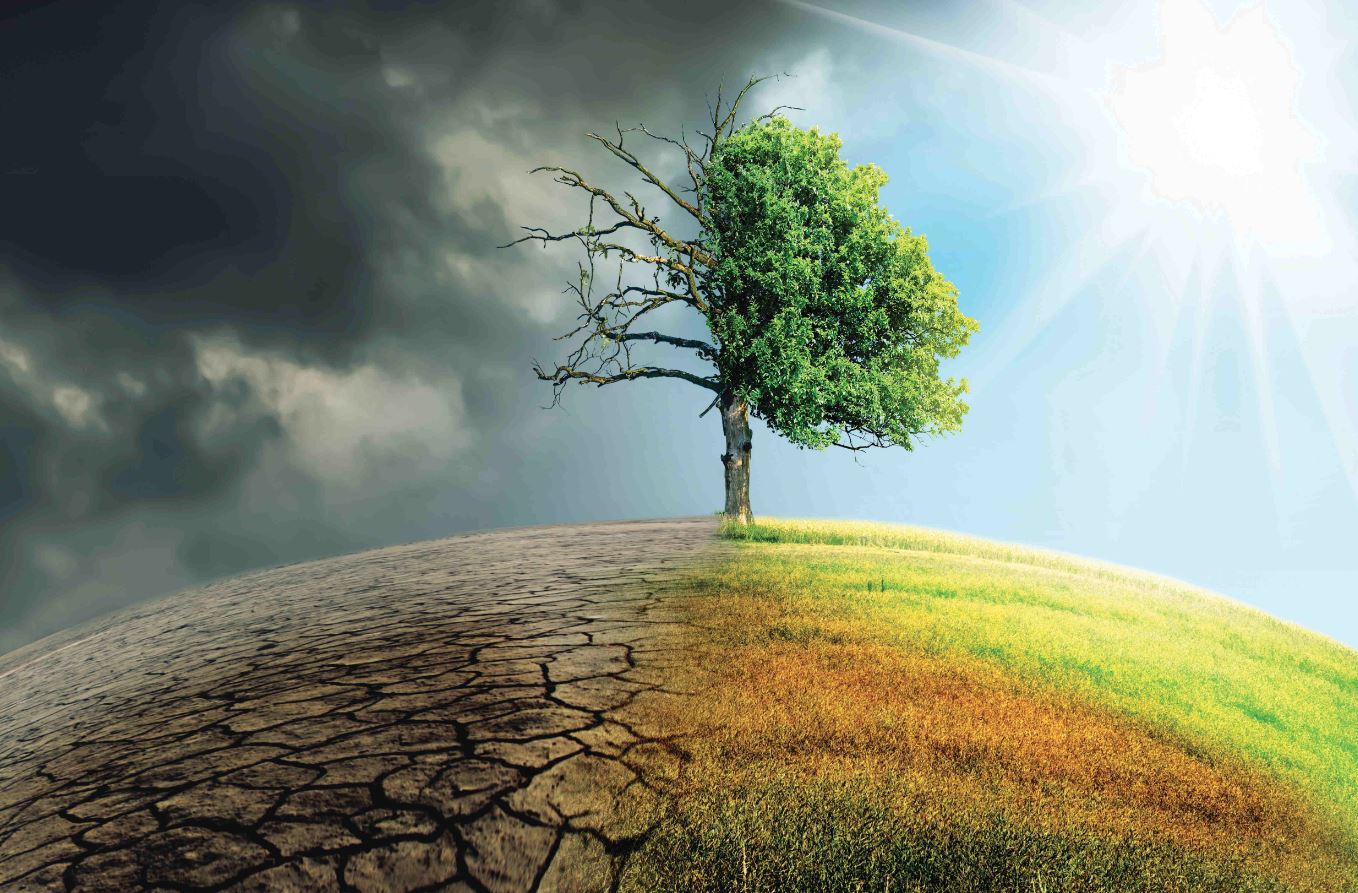
Climate is often mistaken for the daily weather we experience, but it is far more complex. While weather is immediate and localized, climate is the long-term rhythm of temperature, precipitation, winds, and currents that govern life on Earth. It acts as the planet’s operating system, dictating everything from the growth of forests to the spread of deserts. For thousands of years, relatively stable climate conditions allowed human societies to flourish, develop agriculture, and build civilizations. Yet today, that balance is shifting, and understanding the mechanics of climate has become a matter of survival.
The Interplay of Atmosphere, Oceans, and Land
Earth’s climate is a delicate balance between the atmosphere, the oceans, and the land. The atmosphere traps heat through greenhouse gases, creating a protective blanket that makes life possible. The oceans absorb heat and carbon dioxide, distributing energy across the globe with vast conveyor-belt currents such as the Gulf Stream. Land, with its mountains, forests, and deserts, influences how air masses move and how precipitation falls. The interaction of these systems creates the climate zones that define our world: tropical rainforests, arid deserts, temperate grasslands, and icy polar regions. Disrupt one element, and the entire system responds.
The Role of Greenhouse Gases
Greenhouse gases such as carbon dioxide, methane, and nitrous oxide are essential in moderating Earth’s temperature. Without them, the planet would be a frozen wasteland. However, industrial activity and deforestation have drastically increased their concentration, trapping more heat than the system can naturally regulate. Since the Industrial Revolution, carbon dioxide levels have risen from 280 parts per million to over 420, levels unseen in millions of years. This increase enhances the greenhouse effect, accelerating warming, melting glaciers, intensifying storms, and disrupting rainfall patterns. The balance that once nurtured human progress is being pushed into dangerous territory.
Evidence of a Changing Climate
The fingerprints of climate change are everywhere. Glaciers in the Himalayas, Alps, and Andes are retreating at record speeds. Sea levels have risen by more than 20 centimeters in the last century, threatening coastal cities and small island nations. Heatwaves are becoming longer and more intense, while droughts parch fertile lands. In some regions, stronger hurricanes and typhoons devastate communities with increasing frequency. Beyond the physical impacts, biological systems are shifting as well. Species migrate toward poles or higher elevations, coral reefs bleach under warming seas, and ecosystems struggle to adapt to rapid change.
Human Impact and the Anthropocene
The concept of the Anthropocene highlights the scale of human influence on climate. Our burning of fossil fuels, industrial agriculture, and urban expansion have altered atmospheric chemistry and Earth’s surface itself. Cities generate heat islands, land-use change reduces natural carbon sinks, and pollutants darken snow and ice, accelerating melt. These effects are not only environmental but also deeply social. Vulnerable populations face food insecurity, water shortages, and displacement, while wealthier nations grapple with economic loss from disasters. Climate, once a background condition, is now an active agent shaping human history.
Feedback Loops and Tipping Points
One of the most concerning aspects of climate change is the risk of feedback loops. As Arctic ice melts, darker ocean waters absorb more heat, amplifying warming. Thawing permafrost releases methane, a potent greenhouse gas, further accelerating climate disruption. Deforestation reduces the planet’s capacity to absorb carbon, amplifying the buildup of greenhouse gases. These feedbacks threaten to push the system past tipping points, beyond which change could be rapid and irreversible. Understanding and preventing these cascades is central to climate science and global policy.
Climate and the Web of Life
The climate crisis is not just about temperature or storms, it is about the interconnected web of life. Agriculture depends on predictable seasons, fisheries on ocean temperatures, and biodiversity on stable ecosystems. When climate shifts, food production falters, pests spread, and ecosystems collapse. Human health is directly tied to these changes, with rising risks of heat-related illness, vector-borne diseases, and respiratory issues from wildfire smoke and air pollution. The integrity of climate is the integrity of life itself.
Pathways to Mitigation and Adaptation
Despite the daunting challenges, solutions exist. Renewable energy sources such as solar, wind, and geothermal can replace fossil fuels. Reforestation and soil restoration can rebuild carbon sinks. Urban design can mitigate heat islands and improve resilience to storms. International agreements like the Paris Accord seek to limit warming to 1.5 degrees Celsius above pre-industrial levels, a goal that requires rapid, collective action. Beyond mitigation, adaptation is essential. Building resilient infrastructure, developing drought-resistant crops, and preparing for sea-level rise are measures that can reduce harm and protect communities.
The Cultural Dimension of Climate
Climate is not only scientific, it is cultural. For indigenous peoples, it is woven into oral traditions, seasonal calendars, and ecological stewardship practices. For urban societies, it shapes art, literature, and even architecture. As climate changes, so do the cultural expressions tied to it. Songs about rain, rituals tied to harvests, and stories of the seasons risk being lost or altered. Preserving these cultural dimensions is part of preserving humanity’s relationship with the planet.
The Future We Choose
Ultimately, the story of climate is the story of choice. While natural forces play their role, humanity now wields unprecedented influence over Earth’s systems. Our decisions in the coming decades will determine whether coastlines shrink, whether ecosystems endure, and whether future generations inherit a livable planet. Climate science offers the tools to understand the risks and the paths forward. The rest depends on our collective will to align progress with planetary boundaries.