 Earth Matters
Understanding Our Planet’s Story
A journey through geology, climate systems, and the living environment that sustains life.
The Purpose of Earth Literacy
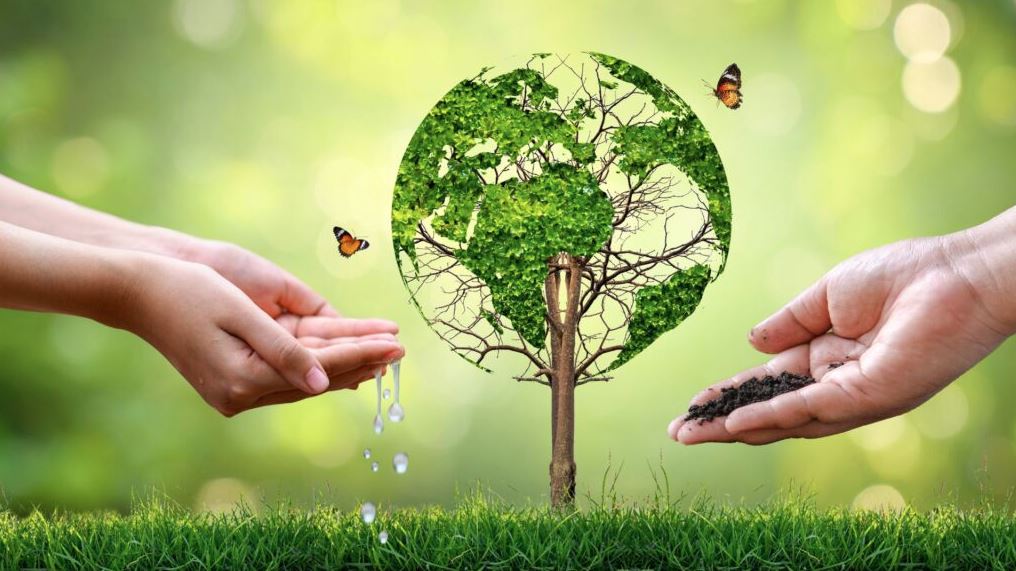
This space exists to bring together the complex threads of geology, climate, and environmental systems into a coherent understanding of how the planet functions. The intention is not limited to presenting isolated facts, but to encourage deeper awareness of the relationships that connect Earth’s physical structure, atmospheric behavior, and living ecosystems. By examining these systems together, readers gain insight into how landscapes are formed, how climates shift over time, and how human activity interacts with natural processes. At its core, this work emphasizes participation rather than observation, reminding us that human societies are embedded within Earth’s story, not separate from it.
Geology as the Foundation of Planetary Identity
Geology provides the structural framework upon which all surface life depends. Mountains, ocean basins, plate boundaries, and mineral formations are the result of processes operating over billions of years, including tectonic movement, erosion, and volcanic activity. Each rock layer preserves evidence of ancient environments, shifting continents, and dramatic transformations. Understanding these processes allows societies to better manage resources, assess geological hazards, and plan resilient infrastructure. By grounding discussion in geology, attention is directed toward the deep time perspective that underlies climate systems and ecological development.
Climate as a Dynamic System
Climate emerges from the interaction of atmosphere, oceans, landforms, and solar energy, forming patterns that influence life across the planet. These patterns determine where forests grow, where deserts expand, and how water cycles through ecosystems. Human civilizations have long adapted to climatic rhythms, shaping agriculture, settlement, and migration. In the present era, human-driven change is altering these dynamics with unprecedented speed. Rising temperatures, shifting precipitation, and extreme weather events demand informed understanding and adaptive strategies. Climate is presented here not as an abstract metric, but as an active system that directly affects ecological stability and human well-being.
The Environment as an Interconnected Web
The environment represents the convergence of geological structure and climatic forces into living systems. Forests, wetlands, oceans, and grasslands function through interconnected cycles of energy, nutrients, and biodiversity. These systems regulate temperature, store carbon, and sustain countless species, including humans. Modern development has amplified human influence within this web, often faster than natural systems can adapt. Recognizing environmental interdependence encourages approaches that account for limits, feedback loops, and long-term consequences rather than isolated outcomes.
Why Understanding the Planet Matters Now
The need to understand Earth’s systems has never been more urgent. Decisions made today regarding land use, energy production, and resource management will shape conditions for generations to come. Questions of adaptation, conservation, and resilience are no longer theoretical, they define the future of societies worldwide. This work engages with these challenges by providing context, clarity, and perspective, emphasizing that awareness must be paired with responsibility. Knowledge becomes meaningful when it informs collective choices and long-term thinking.
Building Awareness Through Narrative
Scientific information gains power when it is connected to lived experience. Narrative allows complex processes to become relatable by showing how geological events influence food systems, how climate affects communities, and how environmental change reshapes daily life. By tracing these connections, stories help translate data into understanding. Whether examining volcanic soils that enrich agriculture or coastal regions responding to rising seas, narrative bridges knowledge and empathy, making planetary processes tangible and relevant.
A Vision Moving Forward
The long-term vision is to function as more than a repository of information. It seeks to encourage curiosity, critical thinking, and informed engagement with Earth’s systems. This includes examining emerging scientific insights, incorporating diverse perspectives, and connecting global patterns with local realities. While the planet is vast, the effects of environmental change are personal, influencing livelihoods, health, and cultural identity. By fostering resilience and responsibility, this vision supports a future in which human activity aligns more closely with the systems that sustain life.
An Invitation to Explore and Reflect
Ultimately, this work extends an invitation to engage more deeply with the planet. It encourages looking beneath the surface to understand geological foundations, recognizing climate as a shaping force, and viewing the environment as a living network that includes humanity within it. Each choice, whether individual or collective, contributes to the unfolding story of Earth. By approaching that story with care, respect, and informed attention, readers are invited to take part in shaping a more balanced and sustainable future.