 Earth Matters
Adapting to a Changing Earth
Building Resilience in the Face of Climate and Environmental Shifts.
The Essence of Adaptation
Adaptation is one of the most fundamental processes in life and in ecosystems. It is the ability to adjust to new conditions, whether those changes come from geological upheavals, climate variations, or human impact on the environment. In biology, adaptation takes the form of evolutionary shifts that allow species to survive and thrive in changing habitats. In society, adaptation involves innovation, planning, and resilience to ensure that communities can withstand and recover from environmental challenges. Understanding adaptation means looking at both the natural and human worlds, seeing how each responds to forces that reshape the conditions of existence.
Geological Adaptation and Earth’s Shifting Face
Even before humans existed, Earth itself has been a stage for adaptation. Tectonic activity has raised mountain ranges, split continents, and created new coastlines. Species had to adapt to these shifting geologies, such as when land bridges connected or isolated populations, driving evolutionary change. For humans, geological adaptation has meant learning to live with earthquakes, volcanic eruptions, and floods. Societies built along fault lines developed engineering strategies to minimize damage, while those near volcanoes harnessed fertile soils but accepted the risks of eruption. Geological forces remind us that adaptation is not optional, it is a necessity when living on a dynamic planet.
Climate Adaptation in Nature
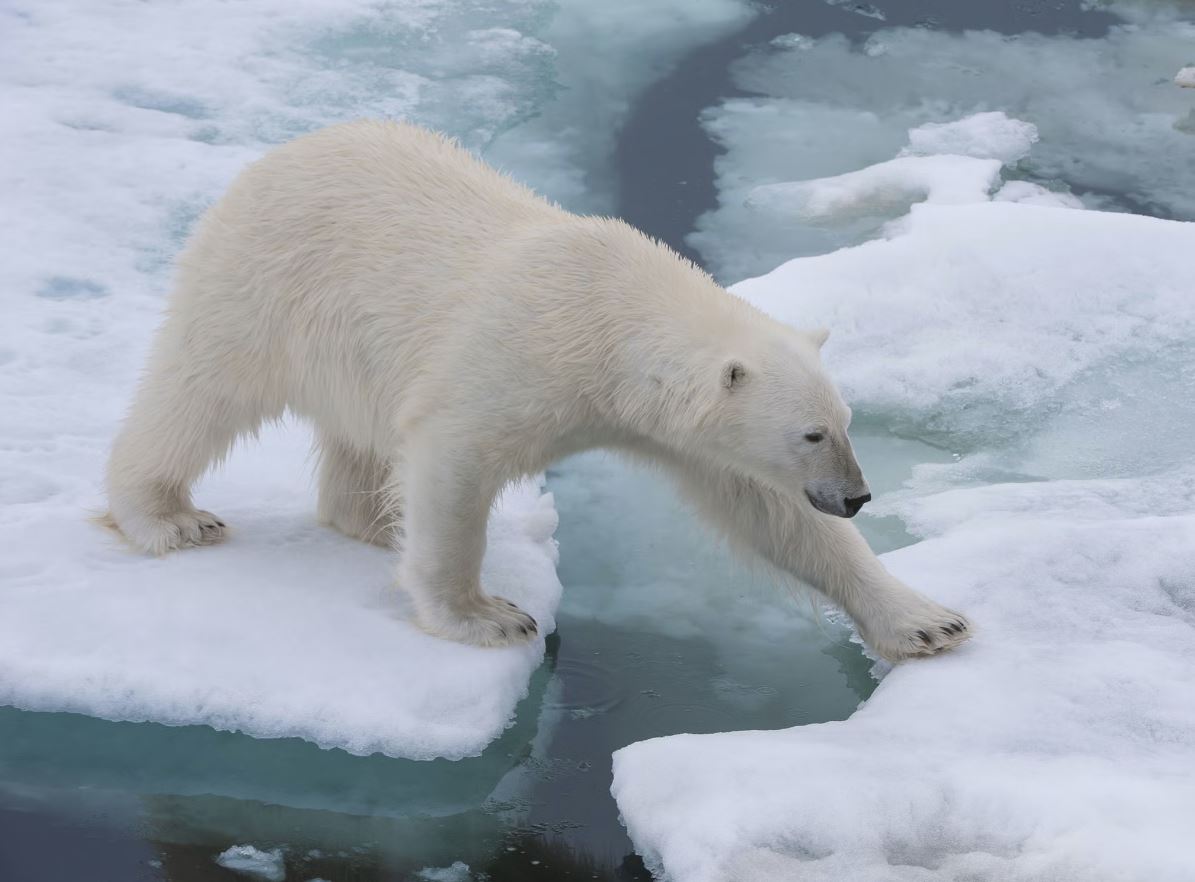
Climate is one of the strongest drivers of adaptation in the natural world. Over millions of years, species evolved traits suited to ice ages, warm periods, droughts, and floods. Polar bears developed thick coats and hunting strategies for icy conditions, while desert plants adapted with water-storing tissues and deep root systems. These examples reveal the creative power of adaptation in the face of climate stress. However, the current pace of climate change is so rapid that many species struggle to keep up. Migration toward cooler regions, shifts in breeding seasons, and changes in food webs are among the urgent adaptations occurring now. The question is whether these natural adjustments can happen quickly enough to prevent large-scale extinctions.
Human Adaptation to Climate Challenges
For human societies, adaptation has taken many forms across history. Early civilizations built irrigation systems to manage scarce water. Coastal communities developed boats and flood-resistant structures to cope with shifting tides. Modern cities now face rising sea levels, intense heatwaves, and unpredictable storms. Adaptation strategies include building sea walls, designing green infrastructure, and developing urban forests to cool environments. Agriculture is adapting as well, with drought-resistant crops, precision irrigation, and shifting planting zones. These measures show that adaptation is a blend of technology, tradition, and foresight, requiring both local action and global collaboration.
Cultural Dimensions of Adaptation
Adaptation is not only physical but also cultural. Communities adjust their lifestyles, traditions, and social structures in response to environmental change. Nomadic groups adapted by following animal migrations, while fishing cultures developed seasonal calendars tied to ocean currents. Today, indigenous knowledge continues to guide sustainable practices that help communities cope with environmental stress. Cultural adaptation also includes changing narratives and values, moving from exploitation of resources to stewardship and care. In this way, adaptation shapes not only how we survive but how we define our place in the world.
Technological Innovation and Adaptive Solutions
Technology has become one of the most powerful tools of human adaptation. Renewable energy systems reduce dependence on fossil fuels and mitigate climate risks. Smart infrastructure integrates sensors and data to anticipate floods, fires, or extreme weather events. Satellite monitoring provides real-time environmental feedback, allowing quicker responses to disasters. Biotechnology is helping to create crops resilient to salinity or drought. Yet technology alone is not enough. True adaptation requires ensuring that innovations are accessible, sustainable, and integrated into broader strategies that prioritize both human and ecological well-being.
The Role of Policy and Governance in Adaptation
Adaptation requires coordination at every level of society. Governments play a crucial role in creating policies that prepare communities for climate and environmental change. This includes developing disaster response plans, investing in resilient infrastructure, and supporting vulnerable populations. International agreements like the Paris Accord include adaptation alongside mitigation as central pillars of climate action. Local governments also lead by implementing zoning laws, building codes, and resource management strategies tailored to their unique risks. Effective governance ensures that adaptation is proactive rather than reactive, reducing harm and building resilience before crises occur.
Adaptation and Environmental Justice
One of the central challenges of adaptation is equity. Wealthier nations and communities often have more resources to adapt, while poorer and marginalized populations face greater risks with fewer tools. Coastal villages, small island nations, and indigenous groups are among the most vulnerable to climate and environmental changes. Adaptation strategies must include principles of environmental justice, ensuring that those most at risk receive the support they need. Otherwise, adaptation risks becoming a privilege of the wealthy rather than a shared global effort.
Lessons from Nature’s Adaptability
Nature has always been a master of adaptation, offering valuable lessons for humanity. Ecosystems demonstrate resilience through diversity, redundancy, and flexibility. A diverse forest, for example, can better withstand disease or fire than a monoculture plantation. Wetlands act as natural buffers against floods, while coral reefs protect coastlines from storms. By observing and mimicking these natural strategies, an approach known as biomimicry, human societies can design adaptive solutions that are both effective and sustainable. Nature shows that adaptation is strongest when it is cooperative and interconnected, rather than isolated and rigid.
The Future of Adaptation: From Survival to Flourishing
Looking ahead, adaptation must go beyond mere survival. It must be about flourishing in harmony with Earth’s systems. This means integrating adaptation into every aspect of life, urban planning, education, economics, and culture. It means creating spaces where humans and ecosystems can thrive together, such as cities designed with green corridors, sustainable agriculture aligned with natural cycles, and energy systems that work with, rather than against, planetary boundaries. The challenge is immense, but so is the opportunity. Adaptation is not a burden; it is a chance to rethink how we live, to rediscover balance, and to create a future where humanity and the Earth adapt together.