 Earth Matters
Earth’s Living Skin - Understanding the Interplay of Geology, Climate, and Environment
Exploring the dynamic systems that shape our planet’s resilience and vulnerability.
The Geological Foundation of Earth’s Systems
Beneath our feet lies a restless foundation of rock and mineral layers that have been in motion for billions of years. Tectonic plates drift slowly yet powerfully across the mantle, shaping continents, building mountain ranges, and carving ocean basins. Volcanoes release gases and minerals essential for the atmosphere and ecosystems, while earthquakes remind us of the immense forces always at work below the surface. Geology is not only about rocks; it is the foundation of life itself, as soils, minerals, and topography dictate the distribution of ecosystems and the course of human history. From fertile river deltas that cradle civilizations to arid deserts sculpted by wind and time, the geology of Earth provides both the opportunities and challenges that humans and other species must navigate.
Climate as a Regulating Force
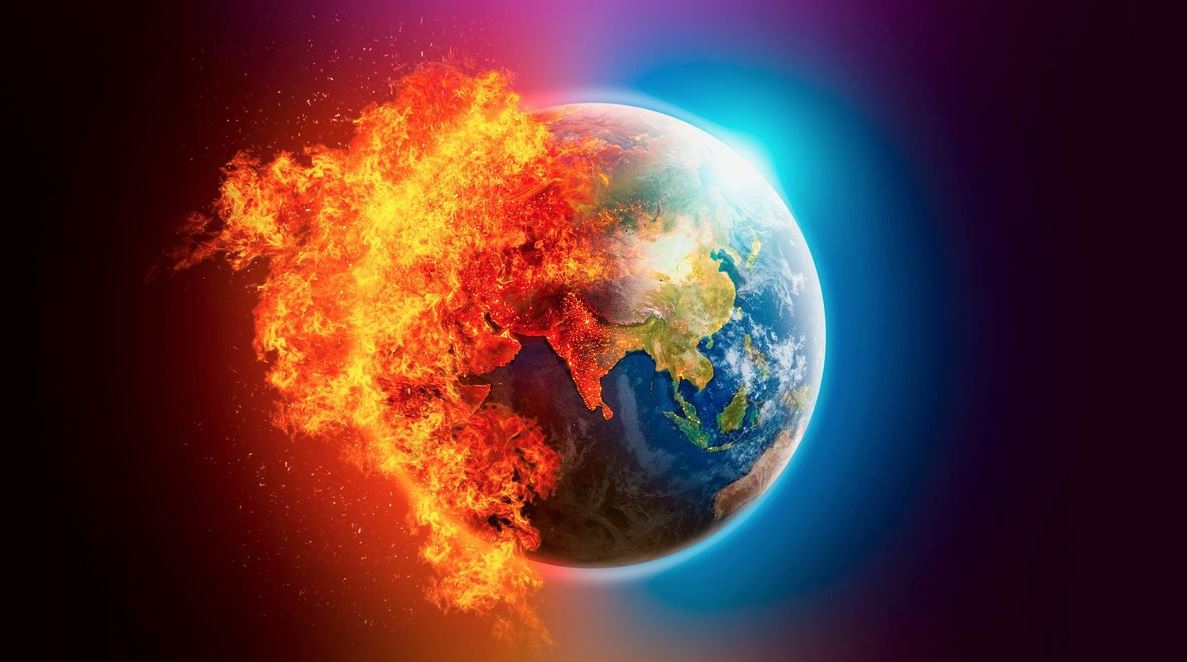
While geology sets the stage, climate provides the conditions that allow life to thrive or struggle. Earth’s climate system is a finely tuned balance of atmospheric gases, ocean currents, and solar input. Over geological time, Earth has experienced dramatic swings from ice ages to greenhouse periods, shaping the course of evolution and extinction. In the present, human activity has become a defining factor in climate regulation, with greenhouse gas emissions tipping the scales toward warming. Rising global temperatures are altering precipitation patterns, intensifying storms, and melting polar ice. These shifts ripple through ecosystems, influencing plant growth, animal migration, and the survival of entire habitats. Understanding climate as a living, breathing system reveals how interconnected the atmosphere, oceans, and biosphere truly are.
The Environment as a Web of Interdependence
The environment is where geology and climate converge to create the stage for biodiversity. Forests, wetlands, coral reefs, and grasslands are more than scenic landscapes, they are functional systems that regulate water cycles, capture carbon, and provide food and shelter for countless species. Yet, human impact is increasingly straining this web. Deforestation alters local climates and reduces biodiversity, while pollution infiltrates air, water, and soil. Mining and drilling extract resources from the Earth’s crust but leave behind scars that may last centuries. The environment is resilient, but its resilience has limits. Once thresholds are crossed, systems can collapse, leading to desertification, species loss, or even the transformation of entire ecosystems. Recognizing these limits is central to building sustainable practices that allow humans to live in harmony with the natural world.
The Story of Water in Shaping Landscapes
Few forces on Earth are as transformative as water. Rivers carve valleys, glaciers sculpt mountains, and rainfall nourishes fields. Water connects geology, climate, and environment in a seamless cycle that sustains life. Yet, water is also one of the most threatened resources. Climate change is disrupting rainfall patterns, leading to prolonged droughts in some regions and catastrophic flooding in others. Glaciers and ice sheets, which serve as long-term freshwater reserves, are retreating at alarming rates. Human activity, through pollution and overuse, compounds the stress on water systems. By studying water’s role in shaping landscapes and sustaining ecosystems, we better understand both the fragility and the strength of Earth’s interconnected systems.
Human Footprints on Earth’s Balance
Human civilization has always been a geological and environmental force. From early agriculture that reshaped landscapes to modern urbanization that replaces natural surfaces with concrete and steel, our footprint grows larger with each generation. Fossil fuel consumption not only alters atmospheric chemistry but also drives extraction industries that modify landscapes on massive scales. Landfills, microplastics, and industrial waste leave lasting imprints that will be detectable in the geological record for millions of years. Yet, humans are also capable of positive influence. Reforestation, renewable energy, and sustainable farming represent pathways toward healing Earth’s systems. Acknowledging both our destructive and restorative powers is the first step toward redefining humanity’s role as a steward rather than a conqueror of the planet.
Lessons from Earth’s Deep Past
The geological record is a library of lessons. Layers of rock preserve the history of mass extinctions, climate fluctuations, and evolutionary milestones. Studying these records reveals that Earth has endured catastrophic changes before, yet life persists in new forms. For example, the Permian extinction wiped out most species, but it also set the stage for the rise of the dinosaurs. Similarly, the asteroid impact that ended the age of dinosaurs opened ecological niches that allowed mammals to flourish. These cycles remind us that while Earth will continue with or without us, the conditions for human survival are not guaranteed. Learning from the past helps us prepare for the challenges of today and tomorrow, especially in the face of rapid, human-driven changes.
Building a Future of Balance
The future of Earth’s systems depends on how well humanity integrates knowledge of geology, climate, and environment into decision-making. This integration means designing cities that work with natural landscapes, adopting energy systems that do not destabilize climate, and fostering economic models that value ecosystem services. It also involves cultivating cultural values that prioritize long-term planetary health over short-term gain. Education and awareness are powerful tools, as they empower individuals and communities to recognize their role in maintaining Earth’s balance. By framing sustainability not as a sacrifice but as an opportunity for innovation and resilience, we can reimagine the human story as one that contributes positively to Earth’s living skin.
A Planet in Dialogue with Its Inhabitants
At its core, Earth is not a passive stage upon which life plays out but an active participant in the drama of existence. Geological forces push mountains skyward, climate shifts redefine ecosystems, and environmental resilience tests the adaptability of species. Humanity is part of this dialogue, whether as disruptor or caretaker. Every choice, what we build, how we consume, what we preserve, writes the next chapter of Earth’s history. The call of our time is to listen closely, to observe patterns, and to act wisely. The more we understand the interplay of geology, climate, and environment, the better equipped we are to ensure that this planet remains a thriving home for generations yet to come.